Voluntary Carbon Market 2026: Key Trends Shaping the Future of Climate Finance
The Voluntary Carbon Market (VCM) is undergoing a major transformation in 2026. Once driven by volume and low-cost offsets, the market is now defined by quality, transparency, and measurable climate impact. As corporate climate commitments mature and scrutiny around greenwashing intensifies, the VCM is evolving into a more credible and structured climate-finance mechanism.
This article explores the most important voluntary carbon market trends in 2026 and what they mean for businesses, investors, and project developers.
Quality Over Quantity: A Fundamental Market Shift
One of the most defining changes in the voluntary carbon market is the move away from low-integrity credits toward high-quality, verifiable carbon credits.
In 2026, buyers are prioritizing:
Carbon removal credits over avoidance credits
Nature-based solutions with strong additionality
Credits aligned with Core Carbon Principles (CCP)
Projects with transparent monitoring and long-term impact
This shift reflects a growing understanding that not all carbon credits deliver the same climate benefit. High-integrity credits are increasingly treated as premium climate assets, not interchangeable commodities.
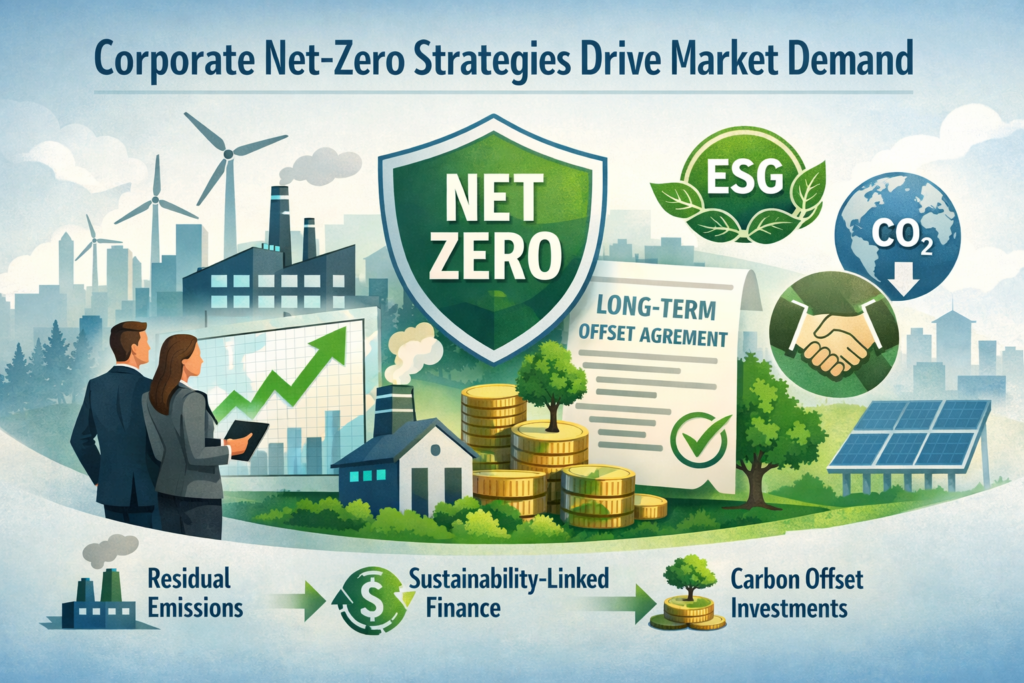
Corporate Net-Zero Strategies Drive Market Demand
Corporations remain the primary demand drivers in the voluntary carbon market. However, their approach has changed significantly.
Key corporate trends in 2026 include:
Using carbon credits only for hard-to-abate residual emissions
Entering long-term offtake agreements instead of one-off purchases
Integrating credits into broader ESG and sustainability-linked finance frameworks
Improving transparency in climate claims and disclosures
Companies that clearly distinguish between emissions reductions and carbon offsetting are building greater trust with investors, regulators, and consumers.
Carbon Credit Pricing Becomes More Differentiated
Carbon credit prices in 2026 vary widely depending on quality and project type. High-integrity credits—especially removals—command significantly higher prices than legacy credits.
Price differentiation is influenced by:
Project type (removal vs. avoidance)
Verification and methodology rigor
Geographic location
Environmental and social co-benefits
This pricing maturity signals a healthier market where credibility and impact are properly valued.
Digital MRV and Technology Improve Market Transparency
Technology is playing a critical role in strengthening trust in the voluntary carbon market. In 2026, digital Monitoring, Reporting, and Verification (MRV) systems are becoming standard practice.
Key technological advancements include:
Satellite monitoring and remote sensing
AI-based emissions modeling
Blockchain-enabled registries for traceability
These innovations reduce the risk of double counting, improve audit efficiency, and increase confidence for buyers and regulators alike.
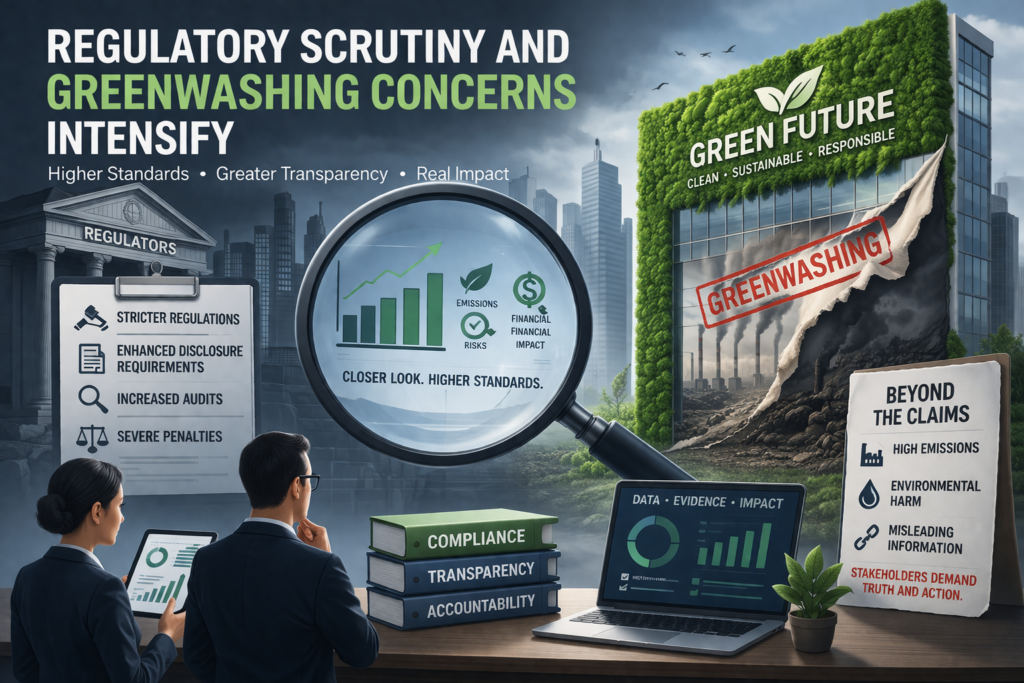
Regulatory Scrutiny and Greenwashing Concerns Intensify
Although the voluntary carbon market operates outside formal compliance systems, regulatory oversight is increasing—particularly around misleading climate and ESG claims.
In 2026:
Regulators are closely examining “carbon neutral” and “net-zero” claims
Disclosure standards are becoming stricter
Companies must clearly justify how carbon credits are used
This environment rewards transparency and penalizes vague or unsubstantiated claims, reinforcing the importance of high-integrity credits.
Nature-Based Solutions Gain Strategic Importance
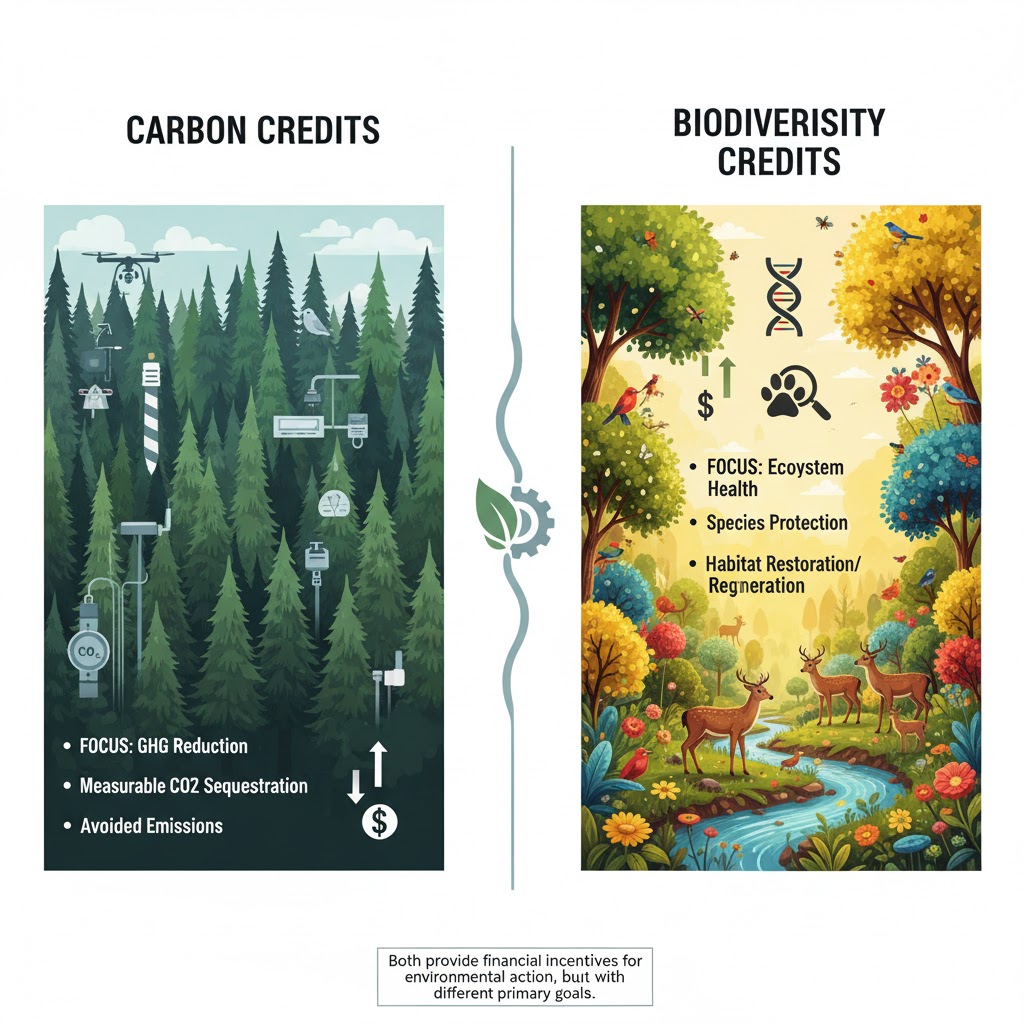
Nature-based solutions (NbS) are regaining prominence in the voluntary market due to their multiple co-benefits.
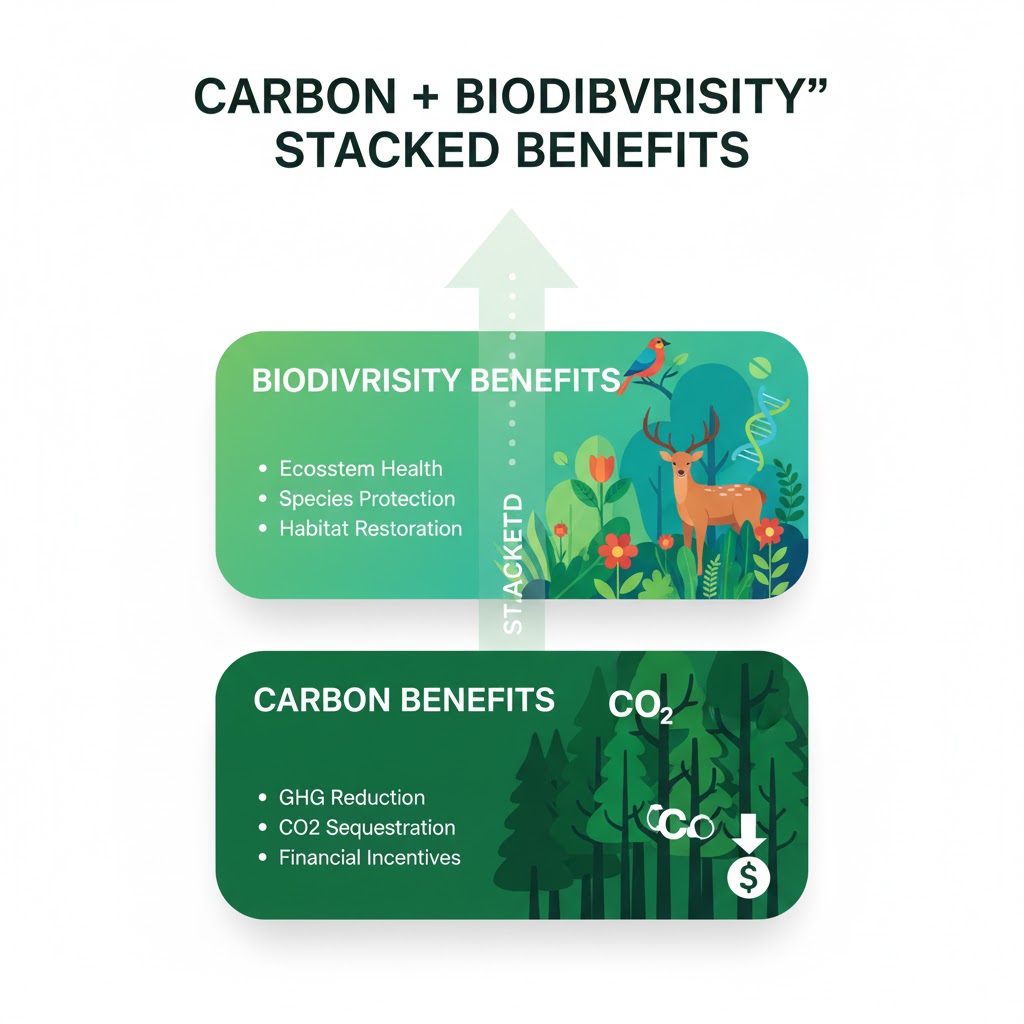
High-quality NbS projects deliver:
Long-term carbon sequestration
Biodiversity conservation
Climate resilience
Socio-economic benefits for local communities
In 2026, buyers increasingly favor projects that demonstrate measurable environmental and social outcomes, particularly in emerging markets.
Investor Interest Returns to High-Integrity Markets
After a period of uncertainty, investor confidence in the voluntary carbon market is gradually returning. Capital is increasingly directed toward:
High-quality project developers
Digital MRV and verification platforms
Carbon market infrastructure and analytics providers
Investors recognize that achieving global climate targets requires scalable, credible carbon-finance mechanisms.
What This Means for Market Participants
For Corporates
Focus on transparency, long-term partnerships, and high-quality credits aligned with science-based targets.
For Project Developers
Robust data, credible methodologies, and strong verification processes are essential for market access.
For Investors
The strongest opportunities lie in quality-driven projects, technology, and market infrastructure, not volume trading.
Conclusion
The voluntary carbon market in 2026 stands at a critical crossroads. As integrity standards rise and technology improves transparency, the market is evolving into a more mature and trusted climate-finance system.
Organizations that prioritize quality, accountability, and real climate impact will be best positioned to succeed as the voluntary carbon market continues to evolve.
Ready to Navigate the Voluntary Carbon Market?
If your organization is exploring carbon credits, sustainability strategy, or climate finance solutions, now is the time to engage with high-integrity markets and credible partners.
Contact us to learn how we can support your voluntary carbon market strategy in 2026 and beyond.